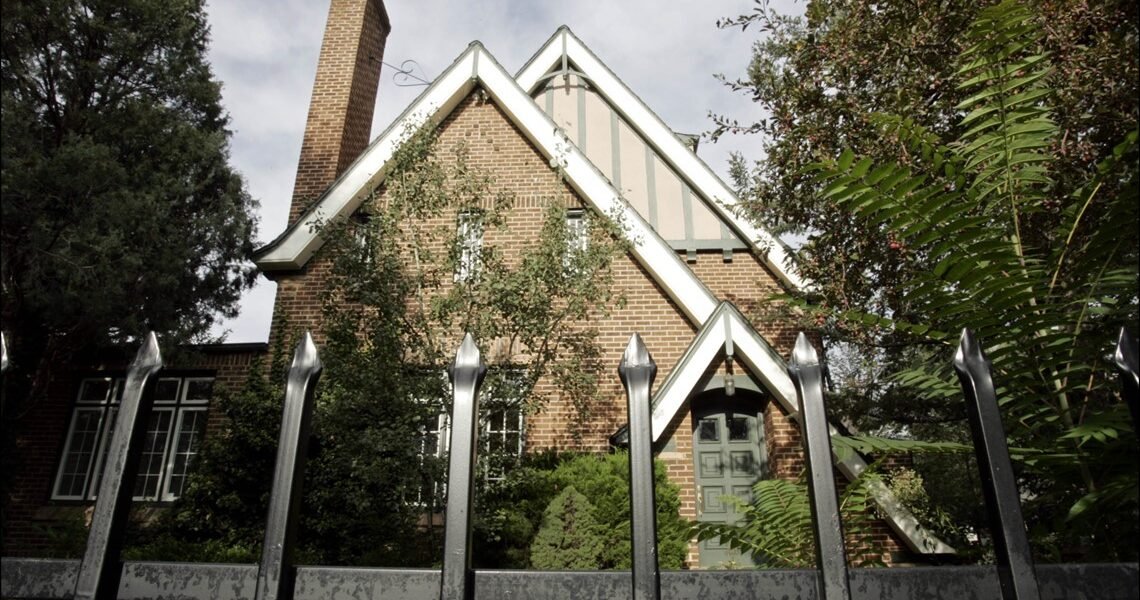

Introduction To JonBenet Ramsey House
The JonBenet Ramsey House in Boulder, Colorado, remains one of the most discussed residential properties in modern American history. Located in a quiet, affluent neighborhood, the home became the center of international media attention following the tragic death of six-year-old JonBenét Ramsey in December 1996. Nearly three decades later, the property continues to fascinate the public, drawing attention from true crime enthusiasts, journalists, historians, and curious visitors alike.
JonBenet Ramsey House from every angle: its architectural details, its role in the investigation, ownership history, renovations, cultural impact, and its place within one of the most complex unsolved cases in American criminal history.
Where Is the JonBenet Ramsey House Located?
The JonBenet Ramsey House is located at 749 15th Street in Boulder, a picturesque college town known for its natural beauty, progressive culture, and high property values. Boulder is home to the University of Colorado Boulder, and the neighborhood surrounding the house is considered one of the city’s more upscale residential areas.
The property sits on a tree-lined street near downtown Boulder, blending into its surroundings despite its infamous history. Over time, the address has been changed in an effort to reduce unwanted attention.
Overview of the Property Architecture and Layout
Size and Design
The JonBenet Ramsey House was built in the 1920s and later expanded. At the time of the Ramsey family’s ownership, the house featured:
- Approximately 7,000 square feet of living space
- Four bedrooms and multiple bathrooms
- A finished basement
- A detached garage
- A large kitchen and formal dining areas
The home’s Tudor-style architecture gave it a stately and traditional appearance, common among older luxury homes in Boulder.
Basement and Crime Scene Significance
One of the most scrutinized areas of the JonBenet Ramsey House is the basement. It was in a small, windowless room often described as a “wine cellar” where JonBenét’s body was discovered. The basement layout—featuring multiple rooms, storage areas, and limited visibility—became a focal point during the investigation.
The configuration of the house has been debated extensively by investigators and analysts. Questions about entry points, window wells, staircases, and sight lines have fueled decades of speculation.
What Happened at the JonBenet Ramsey House?
On December 26, 1996, JonBenét Ramsey was reported missing by her mother, Patsy Ramsey, after a ransom note was found inside the home. The note demanded $118,000 and instructed the family not to contact authorities.
Despite the note’s warning, police were called. Several friends and acquaintances also arrived at the home that morning. Hours later, JonBenét’s father, John Ramsey, discovered her body in the basement.
The case quickly escalated into one of the most heavily covered criminal investigations in U.S. history.
Investigation and Law Enforcement Response
Early Investigation Challenges
The initial response to the crime at the JonBenet Ramsey House has been widely criticized. Experts have pointed to several procedural errors, including:
- Contamination of the crime scene
- Allowing multiple people to move freely through the home
- Delays in securing critical areas
The Boulder Police Department led the investigation. Over time, tensions emerged between law enforcement and the Ramsey family’s legal team.
DNA Evidence and Ongoing Review
In 2008, the Boulder District Attorney’s Office announced that new DNA testing did not match any member of the Ramsey family. While this development generated headlines, the case has never been officially solved.
Advancements in forensic science continue to spark public interest, especially as cold cases across the U.S. are reopened using modern DNA analysis techniques.
Ownership History of the JonBenet Ramsey House
Ramsey Family Ownership (1991–1998)
The Ramsey family purchased the home in the early 1990s. After JonBenét’s death, the family eventually moved away from Boulder.
Sale and Renovation
In 1998, the JonBenet Ramsey House was sold to new owners who significantly remodeled the interior. Changes reportedly included:
- Reconfiguring the basement
- Removing certain architectural features
- Updating interior finishes
In 2004, televangelist Robert C. Schuller and his family purchased the property. Over time, it has changed hands again, reflecting the challenges and stigma associated with high-profile crime properties.
Property Value and Real Estate Stigma
Despite its history, the home has sold for several million dollars in various transactions. Boulder’s competitive real estate market has helped maintain property value, though “psychological stigma” often affects buyer interest.
According to real estate professionals, homes tied to notorious crimes may:
- Take longer to sell
- Sell below market value
- Attract curiosity seekers
However, in high-demand areas like Boulder, location often outweighs reputation.
Media Coverage and Cultural Impact
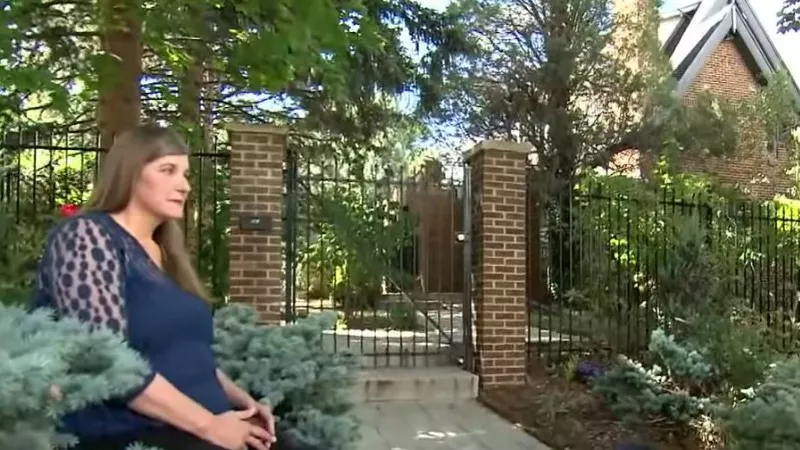
The JonBenet Ramsey House became a symbol of a broader media phenomenon in the late 1990s. Cable news networks, tabloids, and talk shows covered the story extensively.
The case has been featured in documentaries and series, including programming by major networks such as CBS and Netflix.
True Crime and Public Fascination
The rise of true crime as a dominant entertainment genre has renewed interest in the JonBenet Ramsey House. Podcasts, investigative series, and online forums continue to analyze:
- The ransom note
- Forensic evidence
- Behavioral profiling
- Theories about intruders vs. family involvement
The property itself has become part of the narrative—a physical anchor for a mystery that remains unresolved.
Changes to the Address and Privacy Measures
Due to persistent tourism and unwanted visitors, the house’s official mailing address was changed. Homeowners have taken steps to enhance privacy, including:
- Landscaping modifications
- Security systems
- Restricted public access
Unlike famous landmarks, the JonBenet Ramsey House is private property and not open for tours. Visitors are strongly discouraged from trespassing.
Psychological and Sociological Dimensions
The JonBenet Ramsey House represents more than a crime scene. It illustrates broader themes:
- Media influence on criminal investigations
- Public perception and presumption of guilt
- The impact of tragedy on private families
- The long-term stigma of high-profile cases
Experts in criminology often cite the case when discussing investigative missteps and media pressure.
Legal and Investigative Developments Over the Years
The case saw renewed interest in 2016, marking the 20th anniversary of JonBenét’s death. Investigative panels revisited evidence using updated forensic methods.
While no definitive suspect has been convicted, law enforcement has stated that the investigation remains open.
Common Myths About the JonBenet Ramsey House
Myth 1: The House Is Abandoned
False. The home has been privately owned and occupied for years.
Myth 2: The Crime Scene Is Preserved
The interior has undergone renovations, meaning the original layout has changed significantly.
Myth 3: The Case Is Officially Closed
The case remains unsolved and open to review.
Visiting the JonBenet Ramsey House: What to Know
If you’re researching or visiting Boulder:
- Respect private property laws
- Avoid trespassing
- Understand that neighbors value privacy
Boulder offers many historical and cultural attractions beyond the infamous house, including scenic hiking trails and university landmarks.
Internal Linking Suggestions
For website owners covering this topic, consider linking to:
- Articles about unsolved American cold cases
- Guides to Boulder real estate trends
- Pieces exploring media ethics in criminal investigations
- True crime documentary reviews
External Authoritative References
For further research, consult:
- Official updates from the Boulder Police Department
- Statements from the Boulder District Attorney’s Office
- Academic research on forensic advancements
- Reputable investigative journalism outlets
These sources provide factual, evidence-based information and avoid speculation.
Why the JonBenet Ramsey House Still Matters
Nearly 30 years later, the JonBenet Ramsey House continues to capture public imagination. It represents:
- A pivotal moment in media-driven crime coverage
- The evolution of forensic science
- Ongoing debates about justice and due process
The property itself stands as a reminder of how tragedy can transform an ordinary residence into a symbol recognized worldwide.
Conclusion
The JonBenet Ramsey House is more than a physical address in Boulder—it is a landmark in the history of American true crime. From its architectural features and investigative significance to its real estate journey and cultural impact, the home remains deeply intertwined with one of the nation’s most enduring mysteries.
While the case of JonBenét Ramsey remains unsolved, continued advancements in forensic science and renewed investigative efforts offer hope that answers may one day emerge. Until then, the house serves as a quiet yet powerful reminder of a tragedy that reshaped public discourse around crime, media, and justice.
Frequently Asked Questions (FAQs)
Is the JonBenet Ramsey House open to the public?
No. It is private property and not available for tours.
Has the house been renovated?
Yes. Significant renovations have altered parts of the original interior.
Is the case officially solved?
No. The case remains unsolved and open.
Has DNA evidence identified a suspect?
As of the latest public updates, no confirmed match has led to a conviction.
For More Update Visit: Central Cee Parents